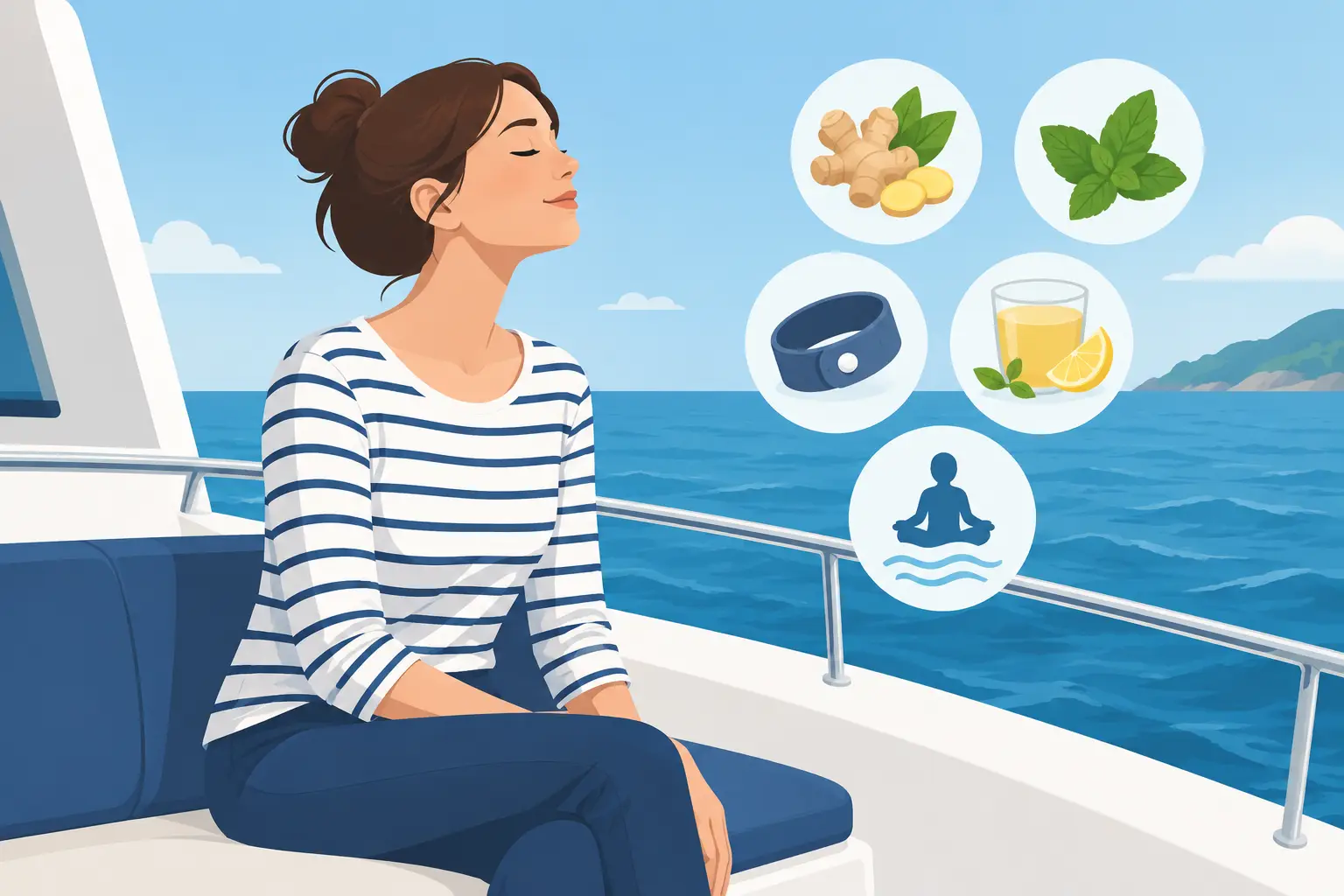
The turquoise water is calling, the camera is charged, and Stingray City is ahead. Sea sickness remedies can help make sure nausea does not steal the spotlight from your Cayman boat day. A little preparation goes a long way, especially if you are not sure how your body reacts to open water or you are bringing children, first-time boaters, or friends who would rather focus on the fun.
Motion sickness is common, even among travelers who feel perfectly fine on land. The good news is that it is often manageable with smart timing, a few comfort-focused choices, and early action at the first hint of symptoms. Here is how to give yourself the best chance of feeling great from the first wake to the final snorkel stop.
Why Sea Sickness Happens on a Boat
Sea sickness occurs when your brain receives mixed messages about movement. Your inner ear senses the rocking and rolling of the boat, while your eyes may be focused on something still, such as a phone screen, the deck, or the inside of the cabin. That mismatch can lead to nausea, dizziness, sweating, headache, fatigue, and an uneasy feeling that builds quickly.
The conditions matter. A calm morning ride to a shallow sandbar may feel very different from an afternoon crossing with more wind, chop, and boat traffic. Your personal factors matter too. Lack of sleep, dehydration, anxiety, alcohol, a heavy meal, and being overly hungry can all make motion sickness more likely.
This is not a toughness test. Experienced anglers, avid travelers, and confident swimmers can all get queasy when the water decides to put on a show. Preparing is simply part of planning a comfortable day on the Caribbean Sea.
Sea Sickness Remedies to Start Before You Board
The best sea sickness remedies usually begin before the boat leaves the dock. Start with a good night of sleep and drink water consistently the day before and the morning of your outing. Cayman sunshine is part of the magic, but dehydration can make nausea and headaches feel much worse.
Eat a light, familiar meal one to two hours before departure. Think toast, fruit, eggs, oatmeal, or a simple sandwich. Skip the oversized brunch, greasy food, and anything that you already know does not agree with you. At the same time, do not board on an empty stomach. A little food in your system is generally more comfortable than trying to ride waves while hungry.
Alcohol deserves special mention. Save the celebratory drinks for after your adventure. Even a modest amount can dehydrate you, affect your balance, and make a mildly bumpy ride feel much rougher than it needs to.
If you have a history of motion sickness, consider an over-the-counter medication before your trip. Some options are meant to be taken 30 to 60 minutes before travel, while others may need to be used earlier. Read the label carefully and speak with a pharmacist or clinician before taking any medication, particularly if you are pregnant, managing a medical condition, taking other prescriptions, or planning to drink alcohol. Some medicines can cause drowsiness, dry mouth, blurred vision, or other side effects.
Motion sickness patches and wristbands are also popular choices. Results vary from person to person, but some guests find them helpful as part of a larger plan. If you are trying a medication, patch, or supplement for the first time, do not make your vacation boat day your test run.
Choose the Right Spot and Give Your Eyes a Job
Once on board, where you sit can make a real difference. The center of the boat, closer to the waterline, usually experiences less up-and-down motion than the bow or the very back. Fresh air also helps many people, so choose an open, comfortable spot when possible rather than sitting inside a stuffy enclosed area.
Keep your eyes on the horizon. It sounds almost too simple, but it gives your brain a steady visual reference that better matches what your inner ear is feeling. Watch the line where the blue sea meets the sky, enjoy the changing colors of the water, and look for a flying fish or a distant sailboat.
What should you avoid? Reading, scrolling on your phone, editing photos, or staring down at a map can make symptoms worse. Save the group chat and vacation captions for the ride home. Your ocean views are far better entertainment anyway.
If you are traveling with kids, invite them to look for landmarks, boats, turtles, or changing shades of water. Giving them something fun to spot keeps their attention outward and can help them avoid the downward gaze that often triggers nausea.
What to Do at the First Sign of Nausea
Do not wait until you feel miserable. The first signs of sea sickness may be subtle: feeling warm, yawning more than usual, becoming unusually tired, or noticing a little extra saliva in your mouth. Act early.
Tell your captain or crew that you are not feeling your best. A caring, experienced team has seen this before and can help you find a more comfortable seat, get fresh air, and offer practical guidance. There is no embarrassment in speaking up. The goal is to get you back to enjoying the ride, not to push through quietly until you feel worse.
Face forward, look toward the horizon, loosen tight clothing, and take slow, steady breaths. Small sips of water can be useful, especially in warm weather. Ginger chews, ginger tea, or peppermint may settle the stomach for some people, though they are not a guaranteed fix. Plain crackers can also be a good option if you need something gentle.
Avoid strong smells when you can, including sunscreen fragrances, fuel odors, rich food, and perfume. If someone nearby is eating a meal with a strong aroma, moving to another seat may help. Little adjustments can have a surprisingly big effect when your stomach is already unsettled.
Plan a Cayman Boat Day That Feels Comfortable
Private and small-group excursions can be especially appealing for guests who are nervous about motion sickness. You have more room to spread out, easier access to open-air seating, and a more personal level of attention than you may find on a crowded vessel. A knowledgeable local captain can also read the conditions and make thoughtful decisions around comfort and safety.
Timing can be part of the strategy. Morning outings often offer gentler conditions, although weather is never a promise and the sea can change. If you are especially sensitive, ask about the expected weather and ride conditions before your trip. It may be better to choose an itinerary with shorter travel legs and plenty of time in calmer, protected water.
A multi-stop day can work beautifully because it breaks up the ride. At Stingray City, you can step into clear, shallow water and trade the motion of the boat for an unforgettable wildlife encounter. Reef snorkeling offers another reset, with the chance to float above bright coral, tropical fish, and that famous Cayman visibility. For many guests, getting in the water and focusing on the experience helps them feel much better than remaining seated during the ride.
Blue Ocean Cayman focuses on comfortable, personalized adventures, which means your crew is there to help the day feel relaxed from the start. Let them know ahead of time if anyone in your group is prone to motion sickness, especially children or first-time boaters. That simple heads-up helps the team guide you toward the most comfortable setup.
A Few Things Not to Rely On Alone
There is no single remedy that works for every traveler. Ginger may help one guest but do very little for another. Acupressure bands are low-risk for many people, but they are not a substitute for medication when your motion sickness is severe. And medication can be highly effective for some travelers, yet drowsiness may be a trade-off if you want to stay alert for snorkeling, photos, and every stingray moment.
Be cautious with advice that promises a guaranteed cure. Your best approach is layered: sleep well, hydrate, eat lightly, choose a stable seat, use preventive treatment if appropriate for you, and speak up early if symptoms begin. If you have severe or persistent vomiting, feel faint, develop chest pain, experience trouble breathing, or have symptoms that feel unusual for you, seek medical care.
A little planning should not make your vacation feel like work. It should give you the freedom to step aboard with confidence, feel the salt air on your face, and keep your attention where it belongs: on the sparkling water, the next snorkel stop, and the unforgettable Cayman memories waiting just beyond the dock.