A lot of family vacation plans sound great until one practical question shows up at breakfast: can kids go snorkeling, or is this better left to the grown-ups? In the Cayman Islands, families ask that all the time – especially when they want one boat day that feels exciting for everyone, not just the strongest swimmers. The good news is that many kids absolutely can snorkel, and for some, it becomes the highlight of the trip. The catch is that success depends less on age alone and more on comfort in the water, the right setup, and choosing an experience built for real families.
Can Kids Go Snorkeling at Any Age?
There is no single magic age when snorkeling suddenly makes sense. Some children are ready around age 5 or 6, while others need more time. What matters most is whether a child can stay calm in the water, listen to instructions, and tolerate having a mask and snorkel on their face without panicking.
That is why the better question is not only can kids go snorkeling, but which kids are ready for it right now. A confident 6-year-old who loves the pool may do far better than a nervous 10-year-old who dislikes putting their face in the water. Readiness is personal.
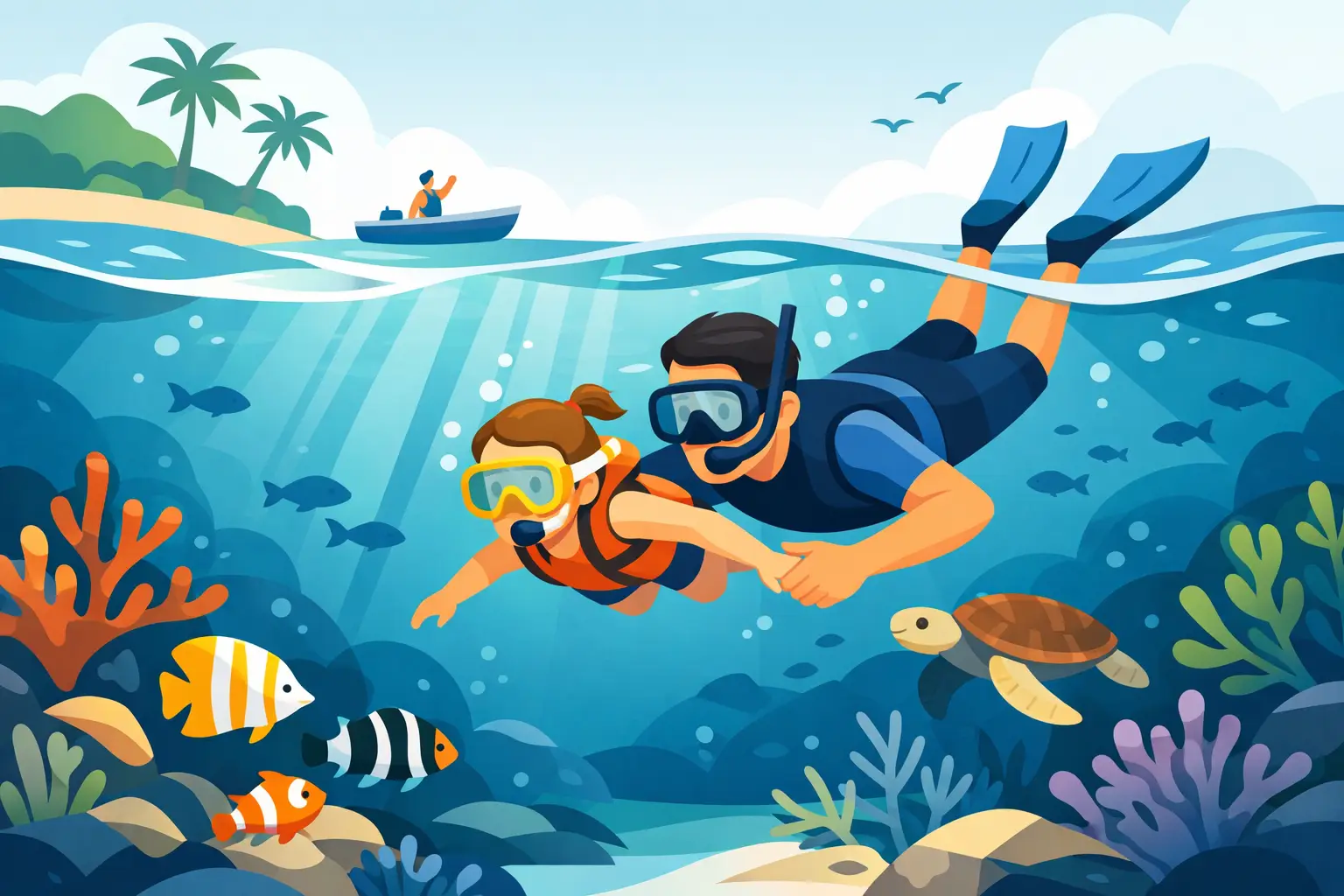
For younger children, the goal may be a short, fun introduction instead of a long snorkel session. Floating with a parent, peeking at fish near the surface, and getting comfortable with the gear can be a win. For older kids, especially those who already enjoy swimming, snorkeling can feel natural pretty quickly.
What Makes Snorkeling Kid-Friendly?
Kid-friendly snorkeling is less about pushing limits and more about removing stress. Calm, clear, shallow water changes everything. So does easy boat access, a patient guide, and enough time for children to adjust at their own pace.
The best family snorkeling experiences feel unhurried. Kids need a moment to test the mask, breathe through the snorkel, and decide that the water is fun instead of overwhelming. When the environment is relaxed, children usually build confidence fast.
This is where a smaller, more personal excursion can make a big difference. Families often do best when they are not navigating a crowded boat, a rushed schedule, or a one-size-fits-all stop. A child who needs five extra minutes should be able to get five extra minutes.
The Real Safety Question Parents Should Ask
Parents are usually not wondering whether snorkeling is possible. They are wondering whether it is safe enough to be worth it. That is the right instinct.
Snorkeling can be very safe for kids when it happens in suitable conditions with proper supervision. It can also be stressful if the water is rough, the gear does not fit, or a child is pushed too far too fast. Safety is not just about life jackets. It is also about matching the activity to the child.
A strong setup usually includes a properly fitted mask, flotation support when needed, close adult supervision, and a guide who is comfortable working with first-time snorkelers. It also helps when the child knows they do not have to be perfect. If they want to hold onto a flotation device, take breaks on the boat, or simply watch fish for a few minutes, that still counts as a successful outing.
How to Tell if Your Child Is Ready
A child does not need to be an expert swimmer to enjoy snorkeling, but they do need a basic level of comfort in the water. If your child can float with support, kick calmly, and put their face in the water without fear, that is a promising start.
They also need to be able to follow simple directions. When a guide says stay close, keep your face down, or return to the ladder, a child should be able to respond without confusion or resistance. That kind of listening matters just as much as swimming skill.
Temperament matters too. Some kids love trying something new on vacation. Others need gradual exposure. If your child tends to get overstimulated, tired, or anxious in unfamiliar situations, plan for a shorter, lower-pressure introduction. A great first snorkeling memory is much more valuable than a forced long session.
Gear Can Make or Break the Experience
Nothing ends a child’s interest faster than bad gear. A mask that leaks, a snorkel that feels awkward, or fins that are too big can turn curiosity into frustration in minutes.
For kids, fit is everything. The mask should seal comfortably without pinching. The snorkel should be easy to hold in place. In many cases, flotation vests or other support gear help children relax enough to enjoy what they are seeing instead of worrying about staying up.
Parents sometimes assume fins are necessary, but they are not always the star of the show for younger children. In calm conditions, some kids are happier focusing on breathing and floating first. Once they feel comfortable, movement becomes easier.
Sun protection is another piece parents should not overlook. Rash guards, reef-safe sunscreen, and shade breaks on the boat help keep a fun outing from turning into an uncomfortable one.
Best Conditions for Kids to Snorkel
If you want a child to love snorkeling, choose the easiest possible conditions for their first try. Clear water helps because kids can actually see the reward right away. Calm water helps because chop and current can make even adults feel unsettled. Shallow areas are ideal because they feel less intimidating.
Warm water is another advantage, which is one reason snorkeling is such a strong family activity in the Cayman Islands. When kids are not shivering or fighting rough conditions, they can focus on the fun part – colorful fish, coral formations, and that first moment of realizing the underwater world is right below them.
Timing matters as well. A child who is hungry, overtired, or fresh off a busy morning is less likely to enjoy learning new gear. Earlier in the day often works better, especially for younger kids.
Can Kids Go Snorkeling on a Boat Tour?
Yes, and for many families, a boat-based snorkeling trip is actually easier than trying to manage everything alone from shore. The big advantage is access. A good boat trip can take families to calmer, clearer, more scenic spots than they might find on their own.
That said, not every tour feels family-friendly. Some are built for speed, big groups, and confident adults who already know what they are doing. Families with children usually have a better experience when the crew is welcoming, the pace is flexible, and the trip includes help getting in and out of the water.
That personal attention matters more than fancy wording. When a crew knows how to reassure hesitant kids, answer parent questions, and keep the day upbeat, the whole outing feels smoother. For families booking a private or small-group experience, that flexibility can be especially valuable because the day can match the group instead of the other way around.
What Parents Should Expect the First Time
The first snorkeling experience rarely looks perfect, and that is completely normal. One child may jump in and never want to leave. Another may spend ten minutes adjusting their mask, then finally look down and light up. Another may prefer staying close to a parent and keeping things short.
A successful family snorkel is not measured by how long your child stays in the water. It is measured by whether they felt safe, had fun, and want to try again. That is how confidence builds.
Parents help most when they stay relaxed. If you treat the day like a test, kids often feel pressure. If you treat it like an adventure with room for breaks, they usually respond with more confidence.
When Snorkeling Might Not Be the Right Fit Yet
Sometimes the answer is yes, but not today. If a child is deeply afraid of putting their face in the water, struggles to follow directions, or gets panicked easily in unfamiliar environments, it may be smarter to wait.
That is not a failure. Vacation activities should feel memorable in a good way. A child can still enjoy wildlife spotting from the boat, swimming in calmer shallows, or joining other parts of a family water day before trying snorkeling later.
The best family adventures leave room for different comfort levels. Not every child needs to do every activity in the same way to be part of the experience.
Making It a Vacation Highlight
When families ask whether snorkeling is worth adding to the itinerary, the answer is often yes because it gives kids something rare – a real sense of discovery. They are not just looking at the ocean. They are entering it, seeing what lives below the surface, and talking about it for the rest of the trip.
With the right conditions and the right support, snorkeling can go from a parent’s maybe to a family favorite very quickly. That is especially true in places where the water is warm, the visibility is beautiful, and the marine life feels close enough to spark genuine wonder. For families planning a Cayman outing, a thoughtful operator like Blue Ocean Cayman can help turn first-time nerves into the kind of ocean memory kids talk about long after the vacation ends.
If your child is curious, reasonably comfortable in the water, and excited to try something new, snorkeling may be exactly the kind of adventure that makes the whole trip feel bigger.