A great reef snorkeling day usually starts before you ever step on the boat. The difference between an easy, unforgettable outing and a rushed, frustrating one often comes down to how you plan reef snorkeling in the first place. Pick the right conditions, the right crew, and the right pace, and the whole experience changes – clearer water, calmer nerves, better wildlife sightings, and a lot more fun.
If you are visiting the Cayman Islands, this matters even more. Some travelers picture snorkeling as something you just add to a beach day. Sometimes that works. But reef snorkeling is best when it is treated like the main event for a few hours, with enough thought given to weather, boat access, comfort, and who is joining you. That little bit of planning can turn a nice vacation activity into one of the highlights of your trip.
How to plan reef snorkeling before your vacation
Start with your group, not the reef map. A couple celebrating a getaway, a family with younger kids, and a mixed-age private group all need different kinds of snorkeling days. The best plan is the one that fits your group’s confidence in the water, attention span, and interest level.
If you have first-time snorkelers, shorter boat rides and calmer sites usually make the day smoother. If your group is more experienced, you may want a trip that pairs reef snorkeling with a second stop, like Stingray City or Starfish Point, so the outing feels like a full Cayman water adventure. For families, flexibility matters as much as scenery. The most beautiful reef in the world will not feel relaxing if someone is cold, tired, or anxious the whole time.
Timing matters too. Many visitors try to fit snorkeling into the busiest middle of their itinerary, but reef days are usually better when you are not racing from one reservation to the next. Leave room for travel time, check-in, and a little recovery afterward. Salt water, sun, and boat time are all fantastic, but they can wear people out faster than expected.
Choose the right reef snorkeling setup
There is no single best way to snorkel a reef. It depends on what kind of day you want. Shore snorkeling can be simple and budget-friendly, but it often comes with trade-offs like rocky entries, limited access, or crowds. Boat snorkeling usually gives you access to cleaner, more protected reef sites and a much easier start, especially if you want a premium experience.
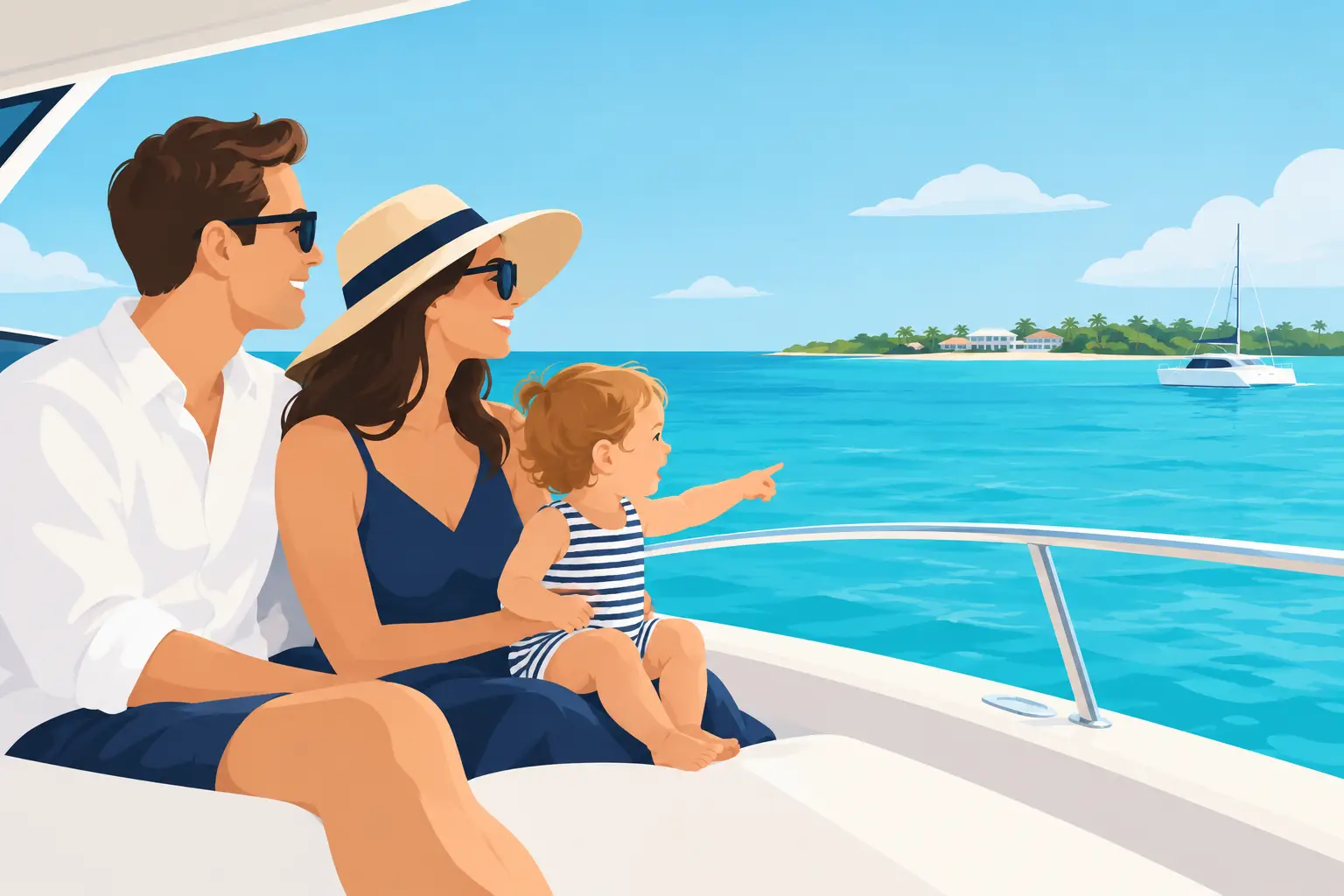
That is why many travelers planning a special vacation day prefer a private or small-group boat. You spend less time fighting for space and more time actually enjoying the water. The pace is better, the instructions are easier to hear, and it is much simpler to get help if someone in your group is new to snorkeling or wants extra support.
The boat itself matters more than people think. Comfortable seating, shaded areas, easy water entry, and a crew that knows how to guide mixed-experience guests can shape the whole outing. A fast boat is nice, but a comfortable, well-run one is better. Reef snorkeling should feel exciting, not hectic.
The best conditions for reef snorkeling
If you want to know how to plan reef snorkeling well, pay close attention to water conditions. Calm water and good visibility can make an average site feel amazing. Windy weather, current, or choppy surfaces can make even a beautiful reef feel challenging.
This is where local knowledge really earns its keep. Conditions can change by the day, and sometimes by the hour. A tour operator that knows which reef sites are sheltered and when to shift the route gives you a better shot at clear water and a more relaxed swim. That matters for experienced snorkelers, but it matters even more for beginners and kids.
Morning trips often have an edge. Water can be calmer, the light is great for visibility, and the day feels easier before the strongest sun and busiest traffic arrive. That said, not every morning is perfect and not every afternoon is poor. The smartest move is choosing a flexible operator and listening to current local recommendations rather than locking yourself into a rigid picture of what the day has to look like.
What to bring and what to skip
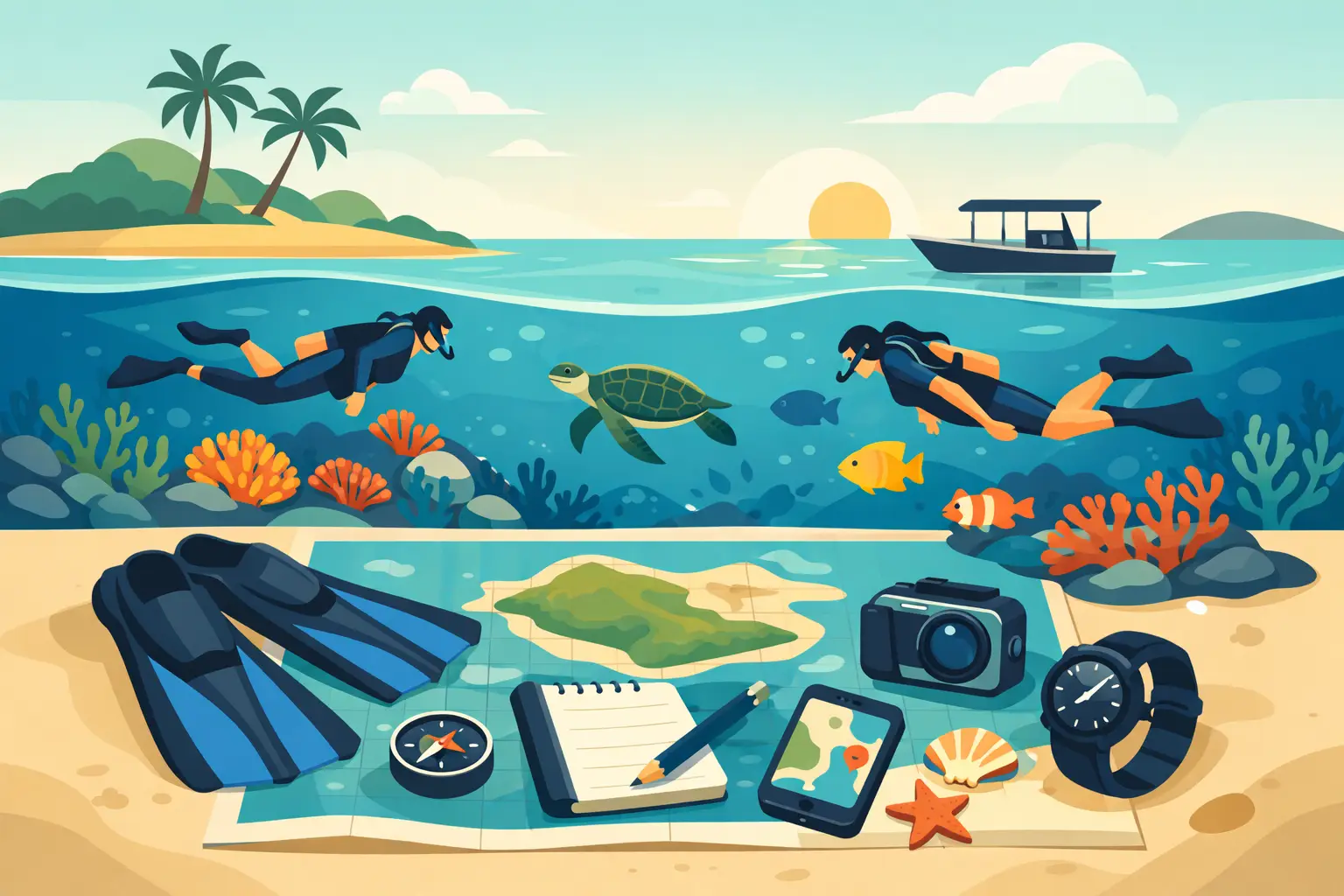
Packing for reef snorkeling should be simple. The goal is comfort, not overpacking. A swimsuit, towel, reef-safe sun protection, sunglasses, and a dry change of clothes usually cover the basics. If you are sensitive to motion, bring what you normally use for boat rides and take it early enough to work before departure.
A rash guard is worth considering, especially for guests who plan to stay in the water for a while. It helps with sun exposure and can make the day more comfortable than relying only on sunscreen. Water shoes can help in some situations, though on many boat-based snorkeling trips they are more optional than essential.
The biggest mistake is bringing too much and expecting to manage it all. Large bags, valuables you do not need, and extra electronics can become a hassle on the boat. Keep it easy. You are there to watch parrotfish glide over coral heads, spot flashes of blue tang, and relax into the water, not manage a pile of gear.
Set the right expectations for your group
One of the best planning moves is honest expectation-setting. Reef snorkeling is beautiful, but it is not a theme park attraction with a guaranteed script. Some days the visibility is outstanding. Some days marine life is more active than others. A calm, comfortable trip with good guidance is a better target than chasing a perfect wildlife checklist.
If anyone in your group is nervous, talk about that before the trip. New snorkelers often do best when they know they can ease in slowly, stay near the boat, and ask questions without feeling rushed. Kids usually have more fun when adults avoid overselling it. Tell them they may see colorful fish, coral formations, and maybe more, but let discovery do the work.
For stronger swimmers, remember that a private or curated trip is still valuable. You may not need basic help, but you will still benefit from easier access to the right sites, better route choices, and a more relaxed pace than large, crowded excursions usually offer.
Safety is part of the fun
The most memorable snorkeling days feel effortless because safety has already been handled well. Good briefings, properly fitted gear, easy entry points, and attentive crew support make guests feel confident fast. That confidence is what lets people relax and enjoy the reef.
Do not ignore the basics just because snorkeling looks easy from the outside. If you are tired, hungover, badly sunburned, or not comfortable in open water, that changes the day. The same goes for young children or older family members who may need extra support. There is no downside to choosing a setup that feels a little more guided and a little less rushed.
This is also why small-group and private experiences stand out. It is easier for the crew to watch the group, answer questions, adjust the pace, and keep everyone comfortable. On a well-run trip, safety does not feel restrictive. It feels like peace of mind.
Make reef snorkeling part of a bigger Cayman day
In the Cayman Islands, reef snorkeling pairs beautifully with other signature stops. If your group wants variety, consider building a half-day or full-day outing that includes time at the reef plus another favorite experience on the water. That kind of itinerary works especially well for mixed groups, since not everyone wants to spend the entire trip doing one activity.
A well-planned boat day can give you reef views, wildlife moments, scenic cruising, and time to simply enjoy being out on the Caribbean water. For many visitors, that balance is exactly what makes the day feel premium. You get the adventure, but you also get comfort, flexibility, and a pace that still feels like vacation.
That is where a curated operator can make a real difference. Blue Ocean Cayman, for example, builds outings around comfort, personal attention, and iconic stops, which is exactly what many travelers want when they are trying to make the most of limited vacation time.
How to plan reef snorkeling without overthinking it
Good planning should make the day easier, not more complicated. Choose a date early in your trip if possible, so weather gives you room to adjust. Pick a boat experience that matches your group instead of shopping only by price. Ask about site conditions, group size, shade, gear, and how beginner-friendly the trip is. Those details matter more than flashy marketing lines.
Then let yourself look forward to it. Reef snorkeling is one of those rare vacation experiences that feels active and peaceful at the same time. You are floating over living color, hearing little more than your own breathing, and watching an underwater world go about its day. Plan for comfort, choose well, and let the reef do the rest.
The best snorkeling memories usually come from days that felt easy from the start, and that is exactly what smart planning is for.