The fastest way to ruin a perfect day on the water is realizing you forgot the one thing you actually need when the boat pulls away from the dock. If you are wondering what to bring for a boat excursion, the sweet spot is simple: pack light, bring the essentials, and think about sun, water, movement, and comfort.
A great boat day in the Cayman Islands should feel easy from the start. You want to be thinking about clear water, stingrays, reef colors, and that first jump in – not whether your phone is getting soaked or your kids are overheating. The right bag makes the whole experience smoother, especially when your trip includes a mix of cruising, snorkeling, wildlife stops, and laid-back time on board.
What to bring for a boat excursion without overpacking
Most guests do better with one small beach bag or backpack than a pile of gear. Space on a boat matters, and nobody enjoys stepping around oversized totes stuffed with things they never touch. The goal is to bring what helps you enjoy the day and leave behind what creates clutter.
Start with clothing that works for sun and spray. Swimwear is the obvious foundation, but it helps to think one step ahead. If you are heading out to Stingray City, snorkeling a reef, or stopping at Starfish Point, you will likely move between in-water activities and time on deck. A quick-dry cover-up or lightweight shirt makes that transition much more comfortable than sitting around in dripping cotton.
Footwear depends on the outing, but in most cases simple water-friendly sandals or flip-flops are enough. If you prefer more grip, water shoes can be useful, especially for families with younger kids or travelers who feel more secure stepping in and out of the water with extra traction. The trade-off is that bulkier shoes can be one more thing to manage once you are back on board, so keep them compact if you bring them.
Sun protection matters more than most people expect
Caribbean sun feels amazing for about ten minutes, and then it gets serious. Even on breezy days, even when clouds roll through, and even if you usually do fine in the sun, reflection off the water can catch up fast.
Reef-safe sunscreen is one of the smartest things you can pack. Put it on before departure if possible, then bring it with you for reapplication. A hat with a secure fit is also worth having, because loose floppy hats tend to lose the battle once the boat picks up speed. Sunglasses help too, but a pair with a strap or secure fit is better than anything delicate or expensive that could slide overboard.
If you burn easily or just like extra coverage, a long-sleeve rash guard is a strong move. It is one of those items people are glad they brought once they are on the water for several hours. It also helps if your day includes snorkeling, since your back and shoulders get direct sun while you float face-down.
The best bag setup for a smooth day on the water
A boat excursion is not the place for your biggest suitcase-style beach tote. Think small, organized, and easy to carry with one hand. A soft-sided bag works better than anything rigid, and if you have a dry bag, this is its moment.
That does not mean everything needs to be waterproof. It just means the items you really care about should be protected. Phones, wallets, room keys, passports, and any medications should be stored in a water-resistant pouch or sealed case. Even on calm days, boats mean splash, wet hands, and damp surfaces.
If you plan to take photos, bring your phone or camera in something protective, but keep expectations realistic. The best moments on a private charter are often the ones you enjoy directly, not through a screen. Pack enough to capture the fun, but not so much that you spend the day babysitting electronics.
What to bring for a boat excursion with snorkeling stops
If your excursion includes snorkeling, a towel and a change of perspective are more useful than a change of clothes. Most guests do not need a full outfit swap between stops. What you do want is a towel that dries reasonably fast and does not take up half your bag.
Some travelers love bringing their own mask, especially if they know it fits well. That can be a great choice if you are particular about snorkel gear or wear prescription inserts. But if you are trying to keep things easy, there is no need to overcomplicate it. On a well-run excursion, the focus should be on enjoying the reef, not showing up like you are moving in.
For anyone with long hair, a hair tie or secure braid makes a bigger difference than you might think. For contact lens wearers, consider whether you are comfortable in the water with them. It depends on the person, but planning ahead beats dealing with irritated eyes after the fact.
Snacks, drinks, and the comfort factor
Before guests board, they often focus on gear and forget the basics that shape how the day feels physically. Water is a big one. Hydration matters more when you are in the sun, in salt water, and moving between active stops. If drinks are provided, great. If not, bring enough water for yourself and anyone in your group.
Light snacks can also be a smart addition, especially for families, kids, or anyone who gets hungry on the water. Keep it easy. You are not packing a picnic for six courses. Think portable, not messy, and nothing that melts instantly.
If you are prone to motion sickness, bring whatever usually works for you and take it before the boat leaves. This is one of the most overlooked answers to what to bring for a boat excursion, mostly because people assume they will be fine until they are not. Calm bays and protected areas can feel very gentle, but conditions change. It is better to be prepared and never need it than the other way around.
What families should pack a little differently
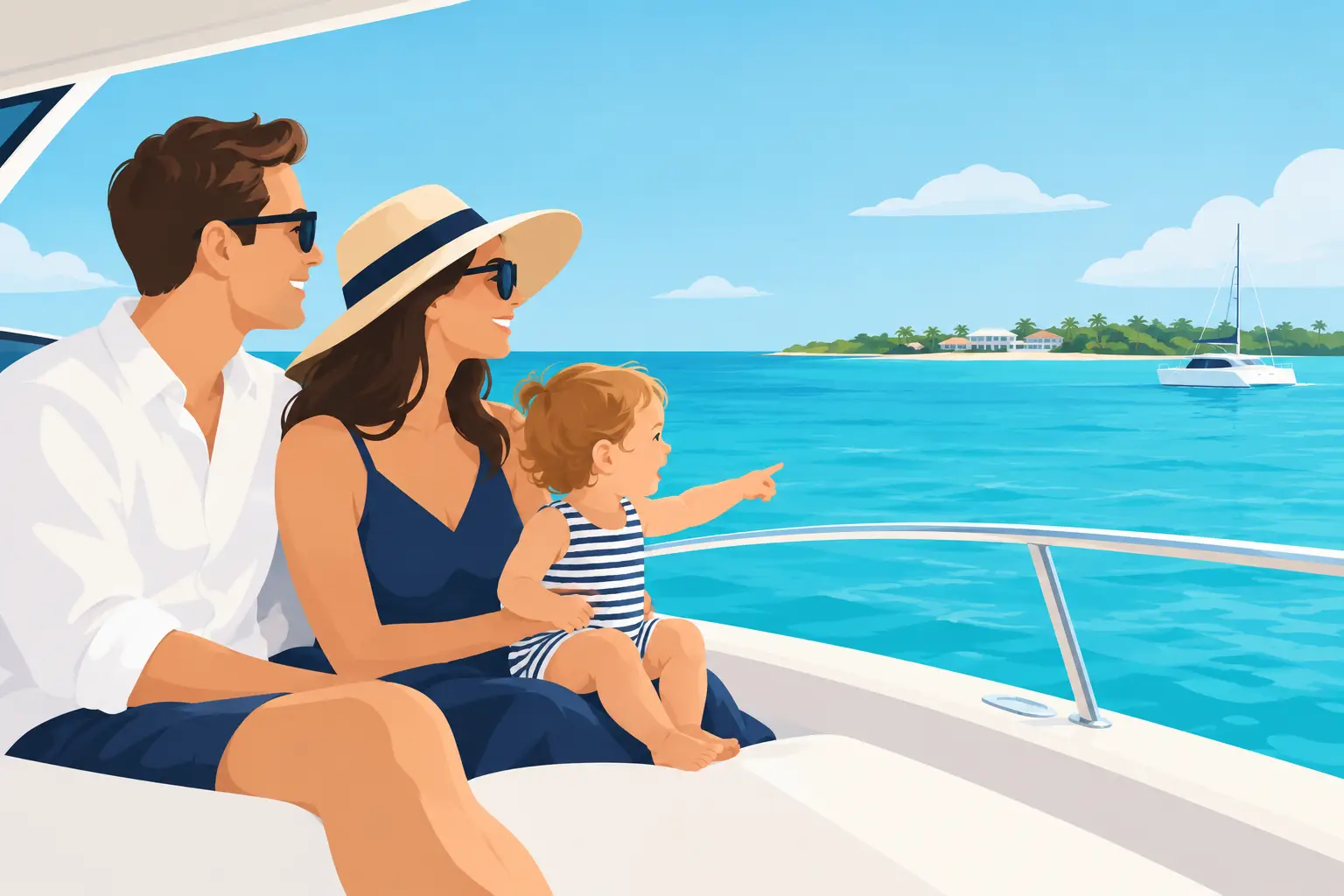
Families usually do best when they pack a little more intentionally, not a lot more. For younger kids, an extra set of dry clothes can be helpful after swimming, especially if the ride back includes wind or a shaded stretch. A favorite small snack, child-safe sunscreen, and a simple float shirt or rash guard can go a long way.
Parents should also think about transitions. Kids often go from thrilled to tired very quickly after a swim stop, so having a towel, dry shirt, and water ready keeps everyone happier. The less digging through bags you do mid-trip, the better the day tends to go.
For teens and adults, the packing list usually gets shorter. The real trick is making sure everyone keeps track of their own essentials. A boat deck is not the ideal place to realize your sunglasses, phone, and room key are scattered across three different bags.
What not to bring on a boat excursion
A smarter packing plan also means knowing what to leave behind. Heavy valuables, bulky speakers, too many outfit changes, and anything fragile are usually more trouble than they are worth. Fine jewelry and expensive accessories do not add much to a snorkeling stop, and they are easy to lose.
Large coolers are another one to think twice about unless the trip specifically calls for them. So are thick cotton towels, hard-sided bags, and anything that cannot get a little damp. If an item would stress you out the entire time you are on board, it probably should stay in your room.
This is where premium excursions really shine. When the boat is comfortable, the group is small, and the day is thoughtfully planned, you do not need to pack for every possible scenario. You just need the basics that help you relax and enjoy the experience.
A simple boat excursion packing mindset
The best answer to what to bring for a boat excursion is not a giant checklist. It is a mindset. Bring what protects you from the sun, helps you enjoy the water, keeps your essentials dry, and makes the day more comfortable for your group.
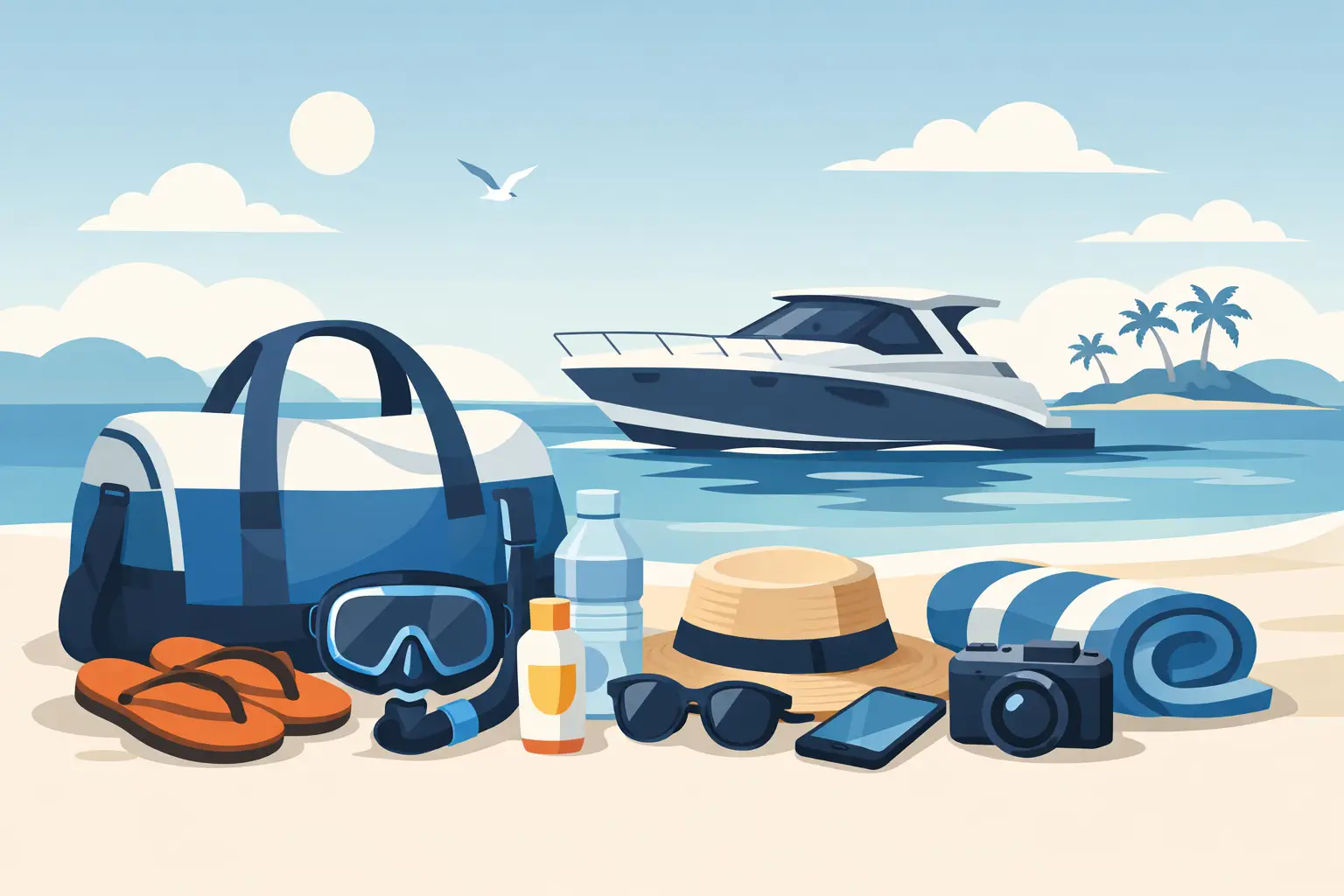
That usually means swimwear, a cover-up, reef-safe sunscreen, sunglasses, a secure hat, a towel, water, a phone in a protective case, and any personal must-haves like medication or motion sickness relief. Add a light snack, a rash guard, or water shoes if they fit your style of trip, and you are set.
If you are heading out with Blue Ocean Cayman, you want to arrive ready for the fun part – spotting marine life, slipping into clear water, and making the kind of vacation memories that feel even better because nothing got in the way. Pack light, plan smart, and leave room for the part everyone actually came for: a beautiful day on the water.